Postcard from Norway

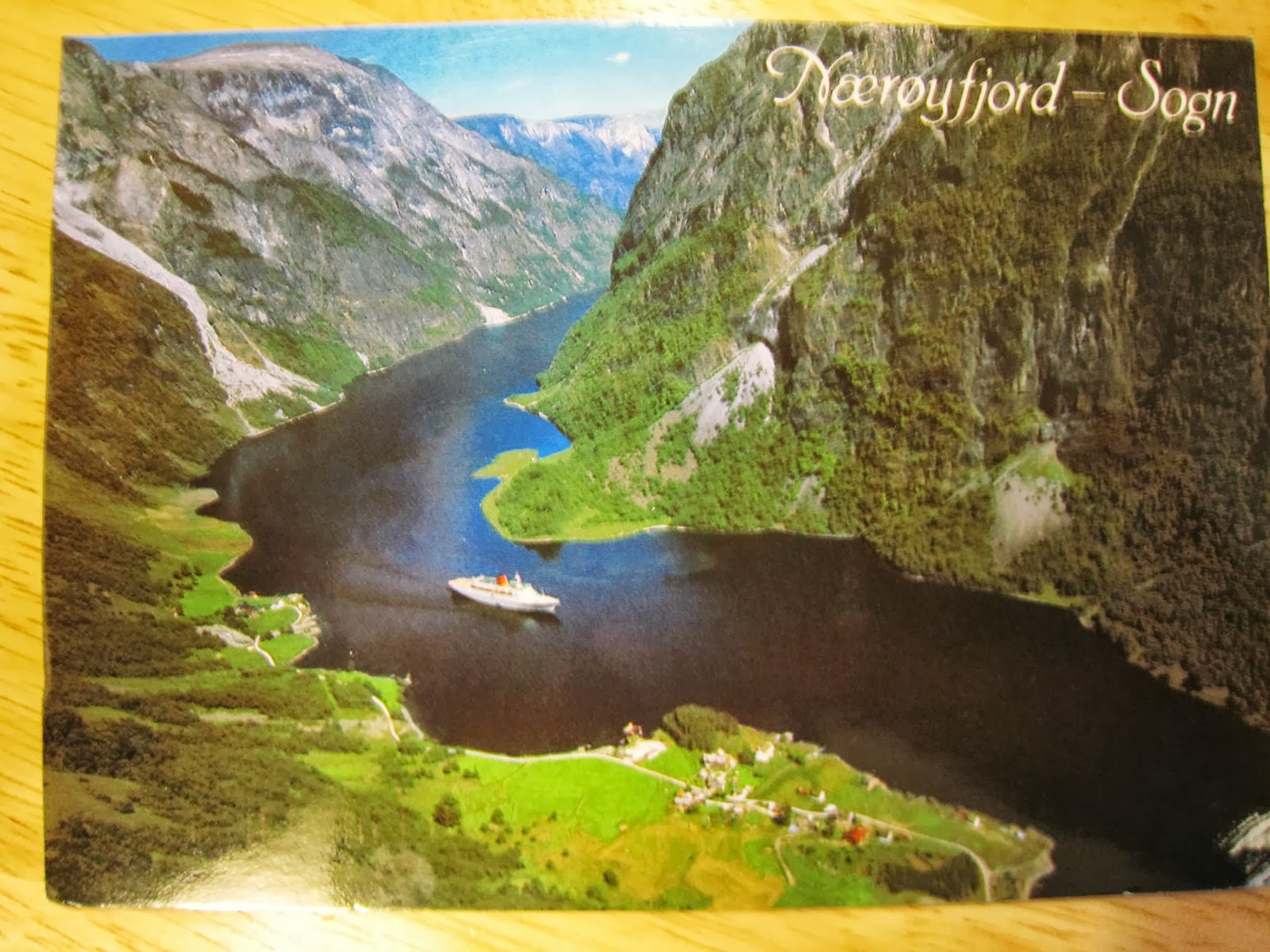
This arrived after the naked hiker, but was written before.  It’s from Sara too.  She was loving Norway.
 
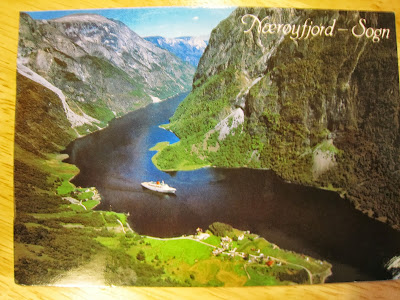
I experimented with trying to trick people in to thinking I’d been to the fjords myself by taking a picture of the postcard, but I’m working with a different camera (great sad story there, which I won’t tell now) so I couldn’t get a crisp shot.
 

Postcard from Norway

At least I think it’s from Norway.  Check in the comments, after Sara reads, there will be a yea or a nay posted to that query.

This is from Sara and is funny on many levels.  One: naked hiker.  Two: Sara picking it out and actually purchasing it from the clerk.  Three: oh, I’ll just let Sara tell it.
“How could I not send this to you!  You know I was embarrassed to purchase it and had a funny interaction with the Eastern European clerk.  The other funny thing is that this was just one of the almost ten version s of odd nudity in the woods/fjord/skiing, etc.  I hope you got a laugh.”

Yep-per.  I did indeed.

A is for Apron. Provence Smock. Prepping apron for bias tape.


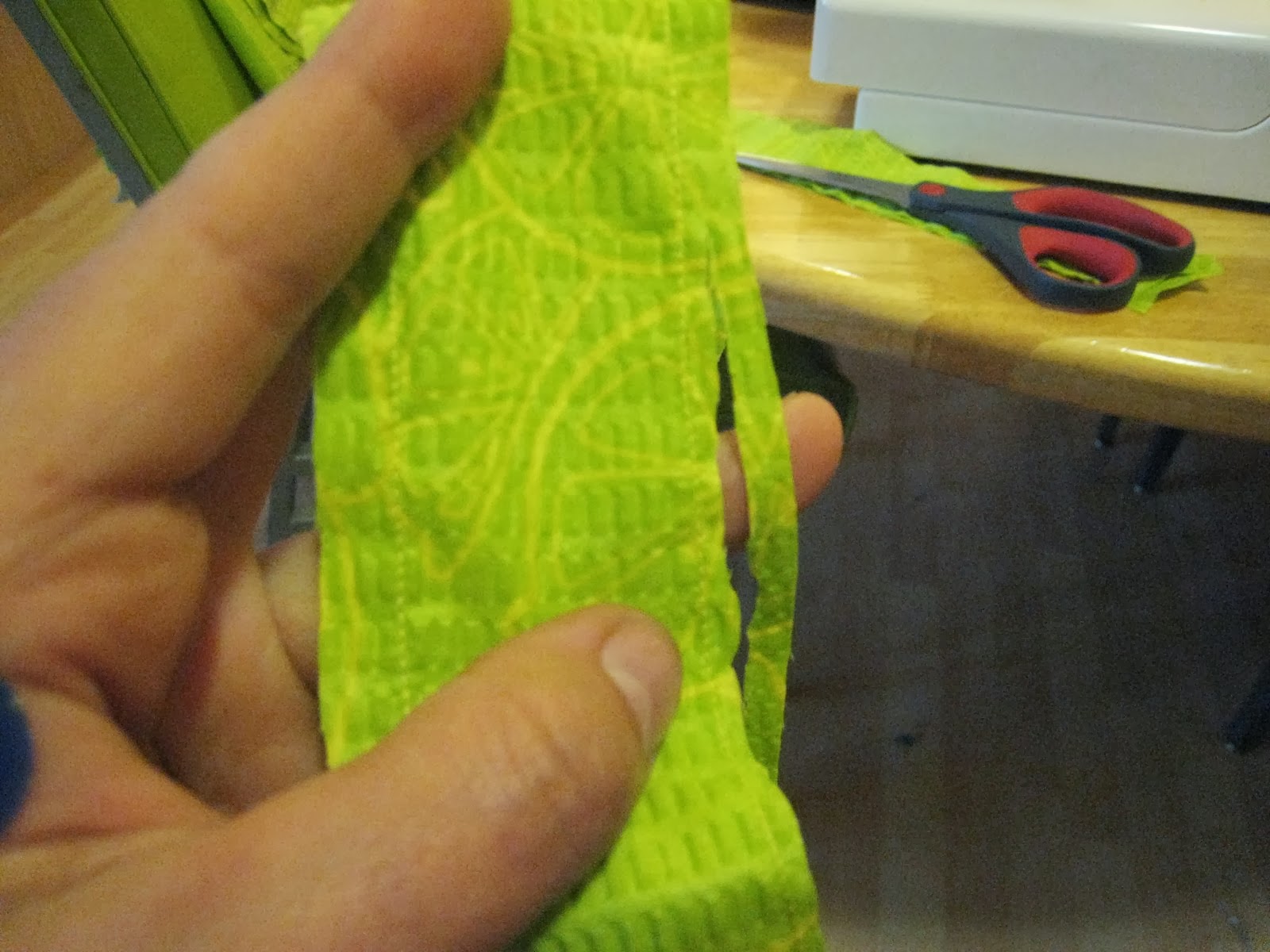
Here’s a closeup of the material for one of my aprons.  It’s green seersucker with lemons on it.  So cute!  I’m finding the apron directions hideous, so soon there will be directions illustrated and adapted.  But in the meantime, here I am stay-stitching and trimming.

Colette Patterns’ Laurel. It’s a shirt! With the tiny ruffle variation.

Oh my gosh, do I like these shirts!  I love the color, I love the tiny ruffle variation and I love how quickly they came together.  I hoping that the dresses will come together quickly too, since I spent a lot of time fitting the shirts.
 
I especially love how the back is fitted. It’s not something I feel like I see a lot in shirts.

Are there things I would improve on, given my druthers?  Yep.  The top of the back is a bit too poofy and I probably could have given the bust another half inch or so.  Also, the tiny ruffles like to roll and expose the bias binding, perhaps because I over stay-stitched the neckline, perhaps because it’s just too much bulk.  The sleeves are weirdly puffy and I clearly have a ways to go in the setting-in-sleeves skill.  But overall?  Very happy.

Colette Patterns’ Laurel: Ruffles and necklines. Also, starting the first apron.

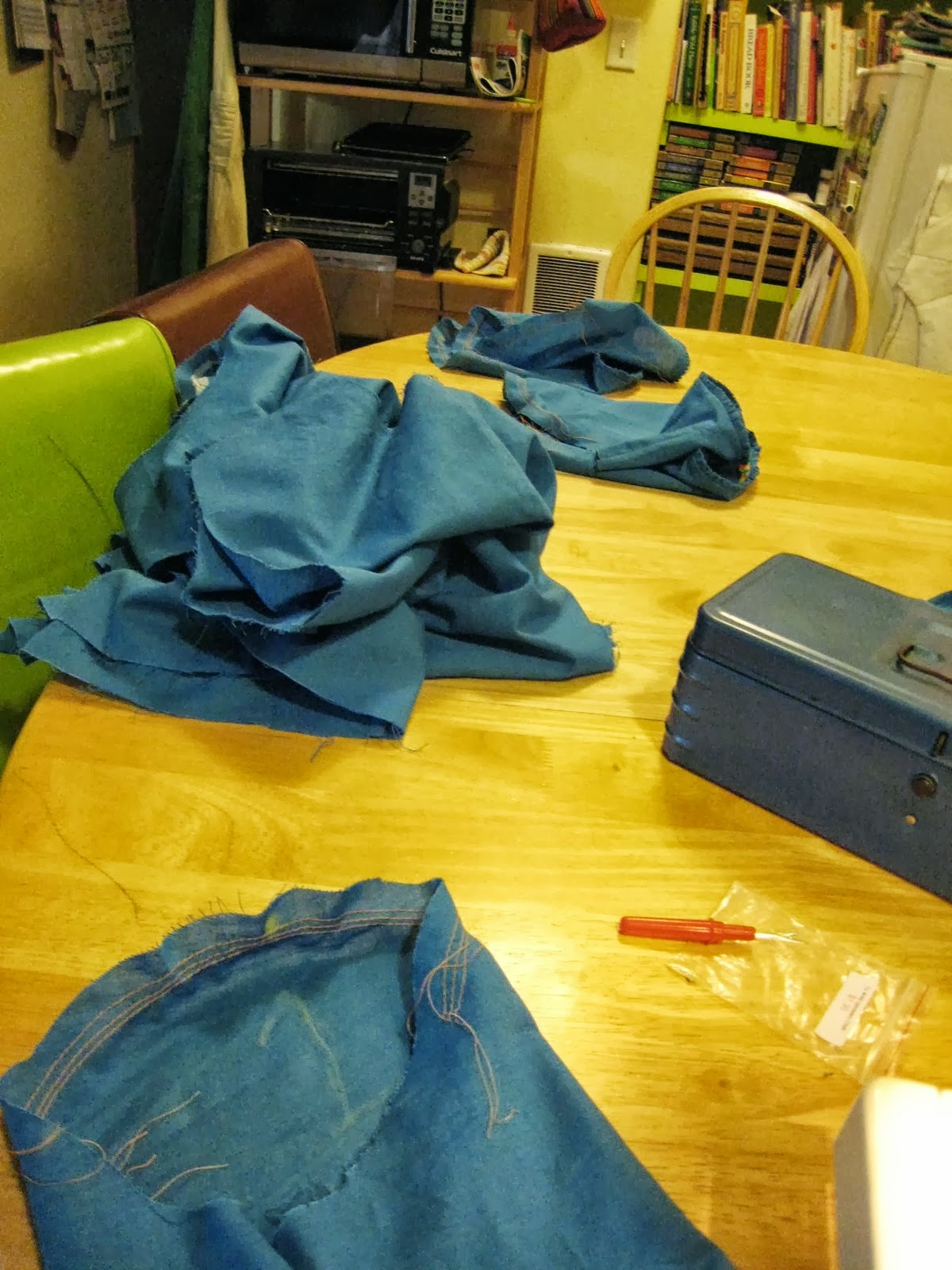
These are the millions of threads it’s smart to cut off before attaching the ruffle.  Also, notice the spools of thread on the sewing machine.  I’ve sewn through two spools of thread for the three shirts and I still have two more dresses to go.  Back to the fabric store I went for more thread.
 
A realization I had more than once while working on this project:  It’s time for a new ironing board.  This one tends to randomly collapse.  Plus, I think my loyal readers are a bit tired of looking at the stained floral pattern.
 
But look!  Uniform shirts finished!
 
And we are continuing on to the apron.
 
With my trusty assistant.
 

Colette Patterns’ Laurel: Attaching tiny sleeve ruffles and setting up sleeves.

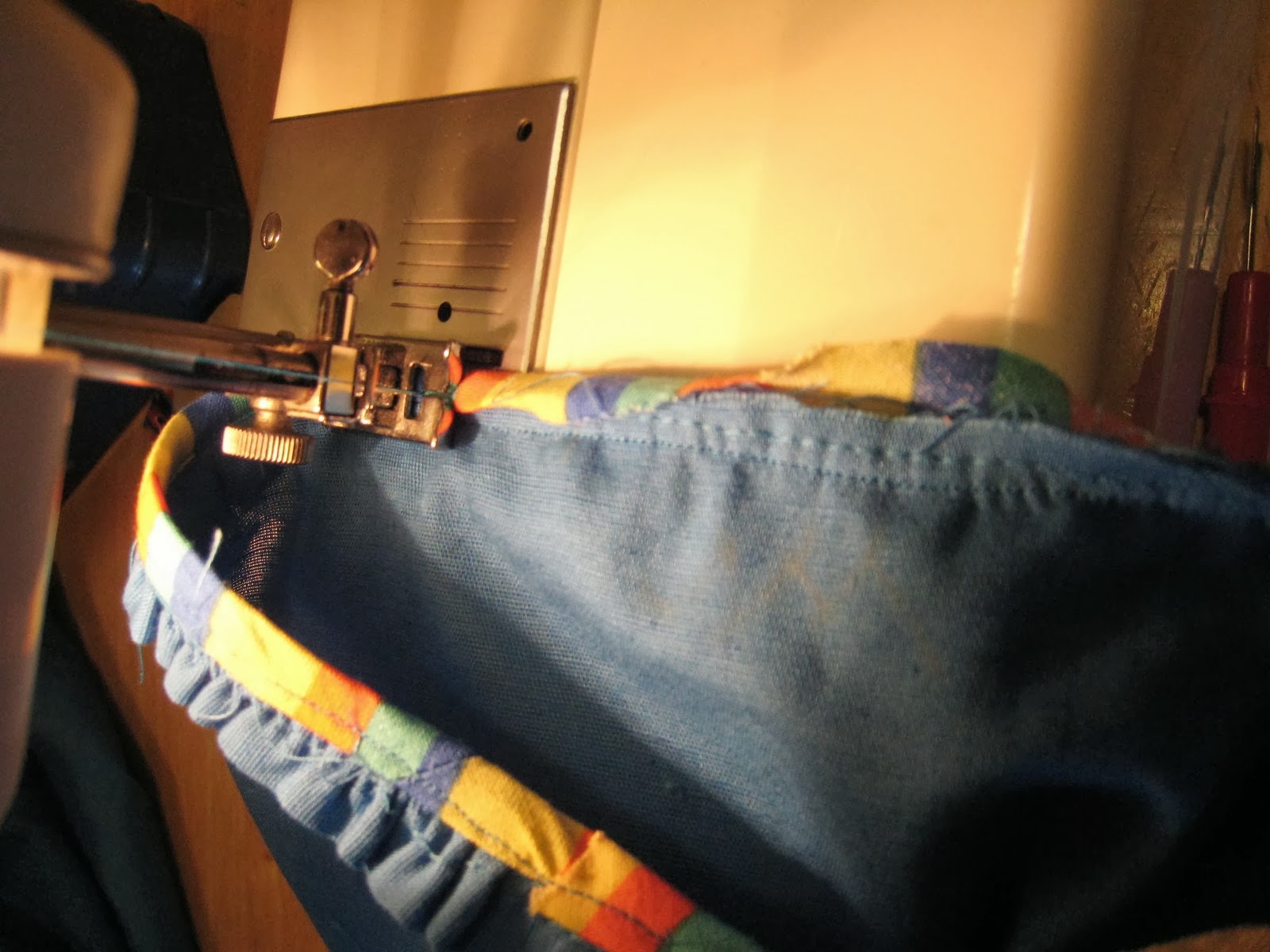
The good thing about making three of the same shirt is that there is time to improve on one’s task at hand.  So it went with attaching tiny ruffles to the sleeves.  I learned that I should trim all the tiny ruffles down a bit before sewing, so the millions of bits of thread don’t have to be removed later. I learned that it’s best to smoosh the ruffles so there is maximum ruffle, because that will still be enough to go around.  I learned that one should attach tiny ruffles to the sleeves and then trim a lot of the bulk from the seam line, which will make it easier to attach the bias tape.
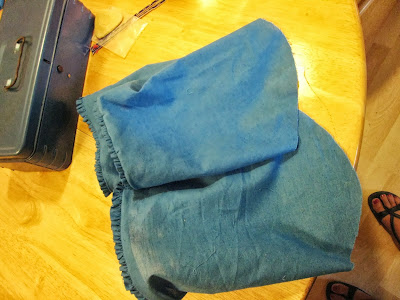
 
Here’s some bias binding happening.  I’m noticing I still haven’t learned the trick for making sure the bias tape endings aren’t raw.  But I learned that trick too.
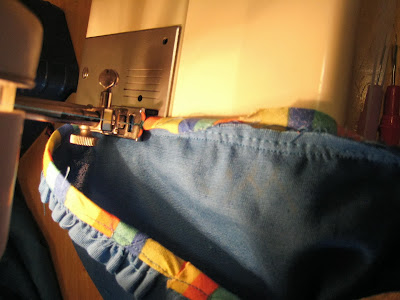
 
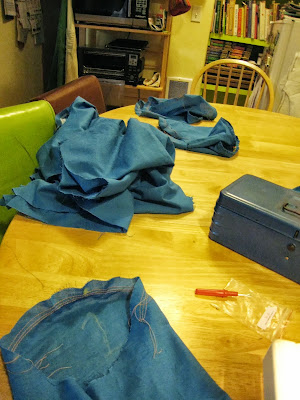
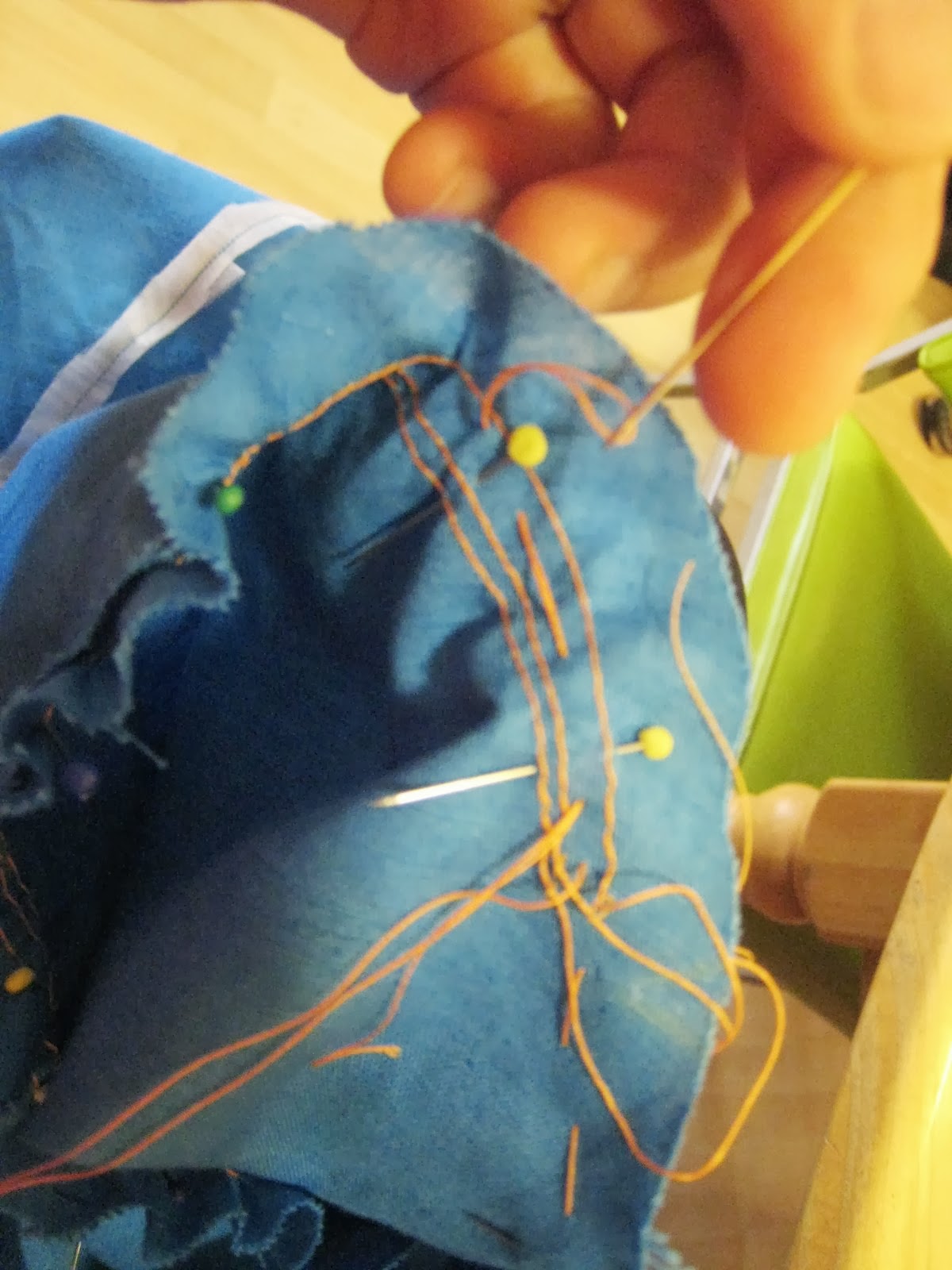
I’ve set in sleeves in my day and I like the process, if not always the result.  I like putting in three rows of gathering thread, which will be exuberantly ripped out once the sleeve is securely in place.  I went with bright orange because I’ve been ripping through the blue thread on this project, but also because contrast is easier to pull out after the fact.  Those are six sleeves, ready to be inserted and three shirts, ready to receive those sleeves.