Orange Door Project: Side Yard rehab

Project time!  We are making a nice path from the sidewalk to the edge of the backyard.  I look forward to not walking through mud (in the winter) weeds (in the summer) and cat poop (year round.)

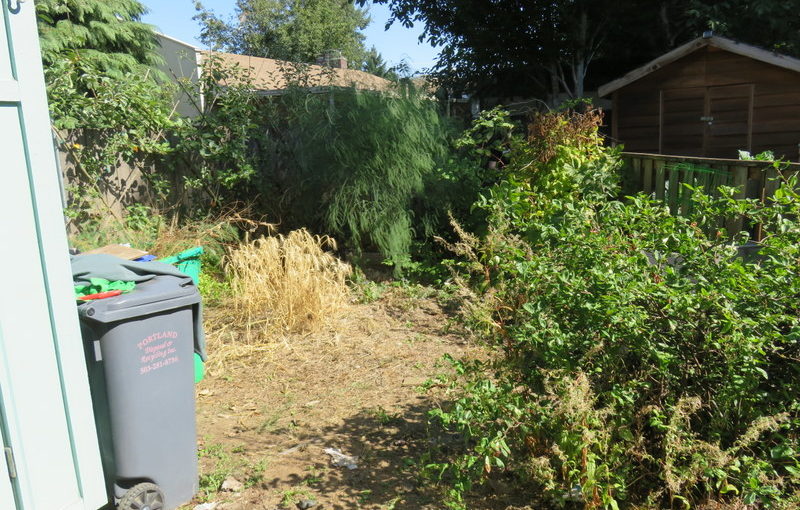
Here are our “before” photos.  Side yard from the fence to the edge of the yard.  Big weedy mess. 
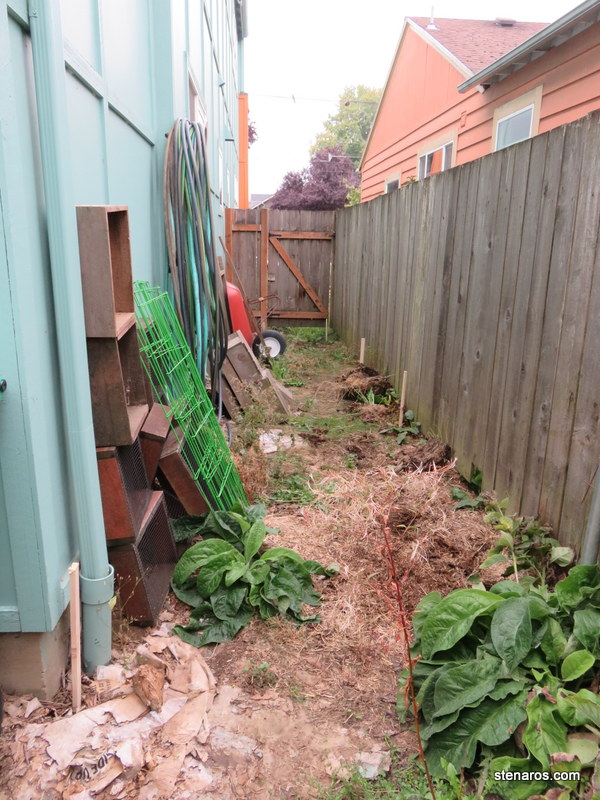
From the fence to the sidewalk: big weedy mess.
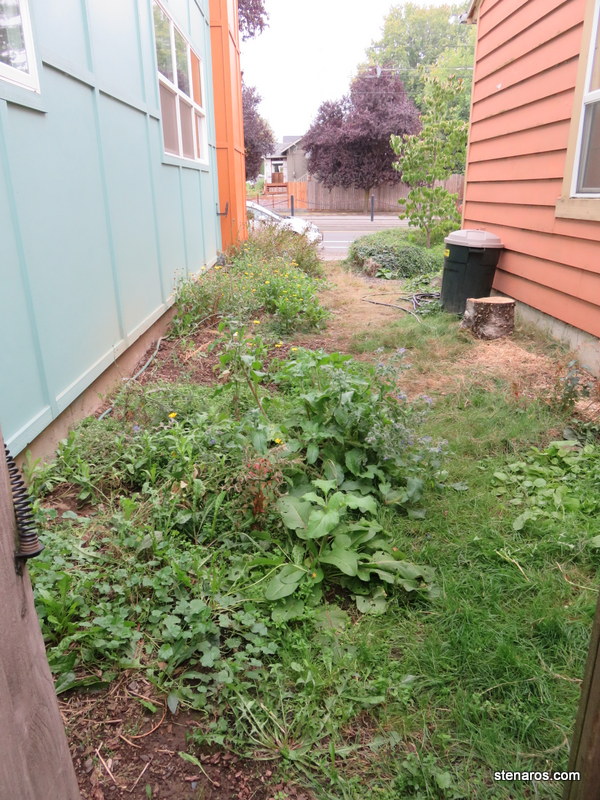
From the sidewalk looking back to the fence:  big weedy mess, though that is mint that I planted.
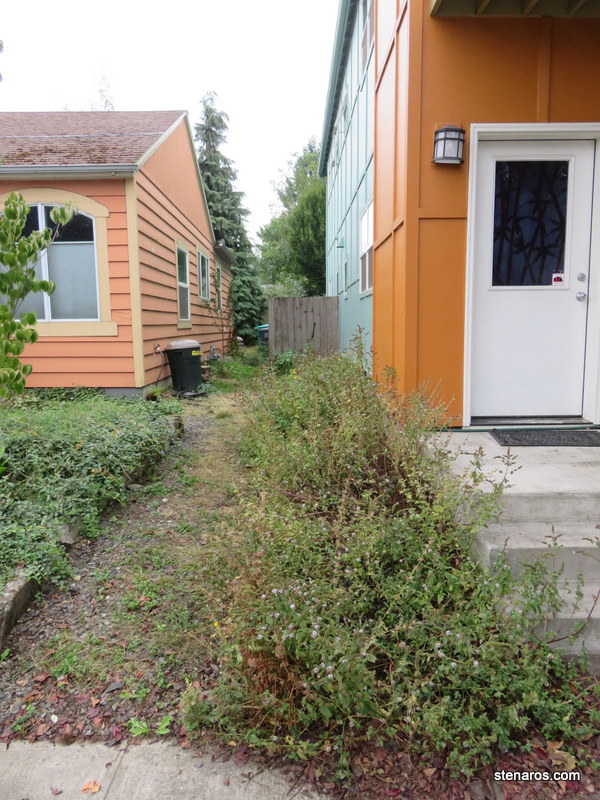
The side yard is a Fall 2017 project. After that, we will tackle the backyard, which is a Spring 2018 project.
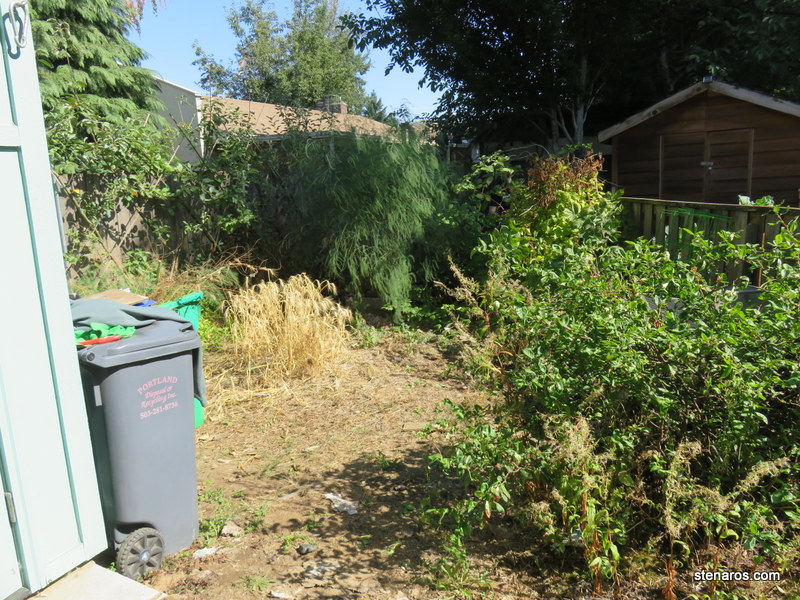
The plan for the side yard: clear all the vegetation, dig out 4″ of dirt.  Add back in 2″ of gravel, landscape cloth, a layer of sand, flagstone, then more gravel.  I’m very excited to be done with this project and have an easy  passage.
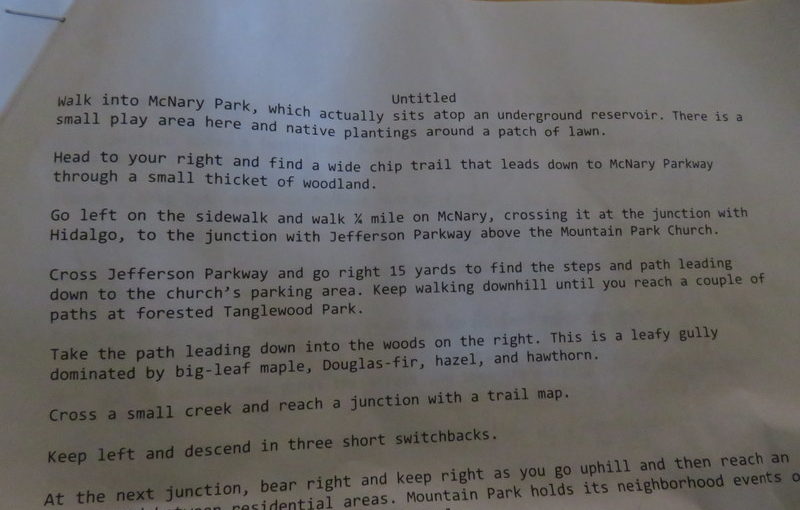
Hike to the top of Mt. Sylvania

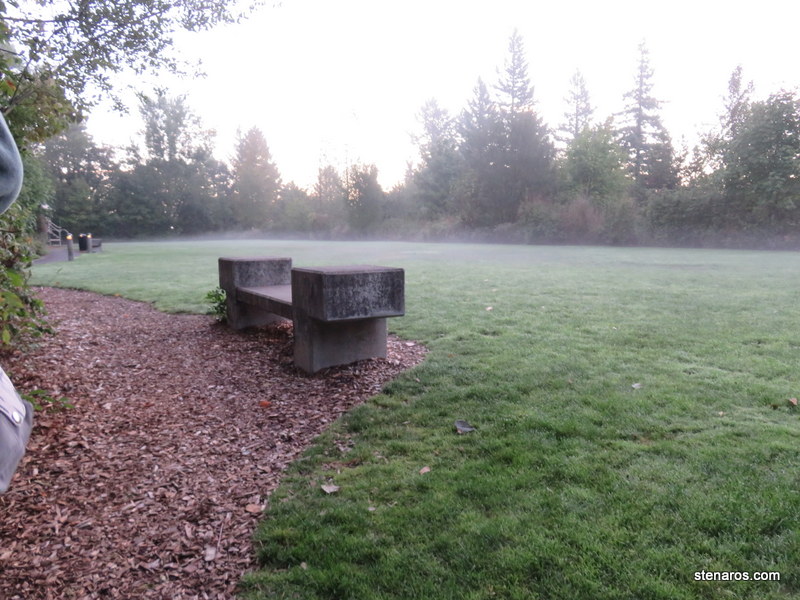
I’d never heard of Mt. Sylvania, but here was an urban hike, so we went for it.  We started at McNary Park, which had a nice mist going.

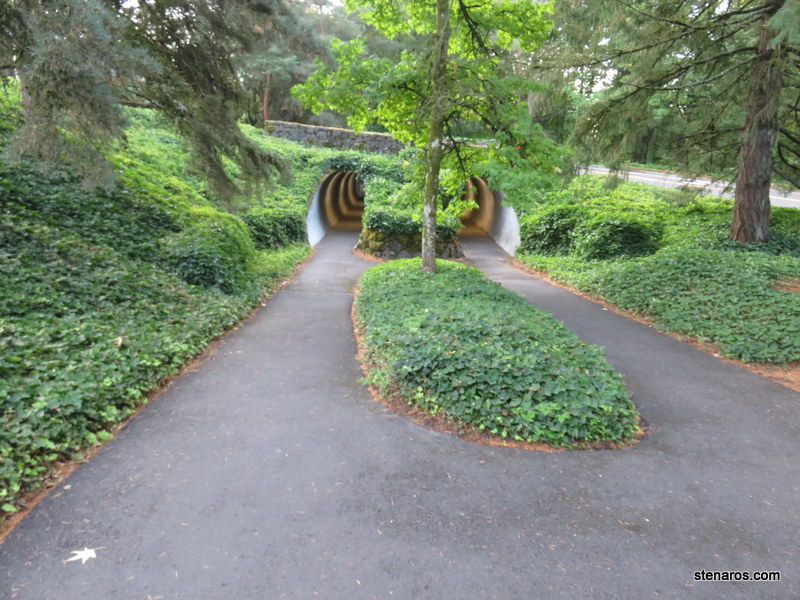
Most of the hike wound through the largest planned community in Oregon, which sits on the border between Portland and Lake Oswego.  There were a good amount of tunnels to walk through.  I observed that Lake Oswego tunnels do not stink of urine.

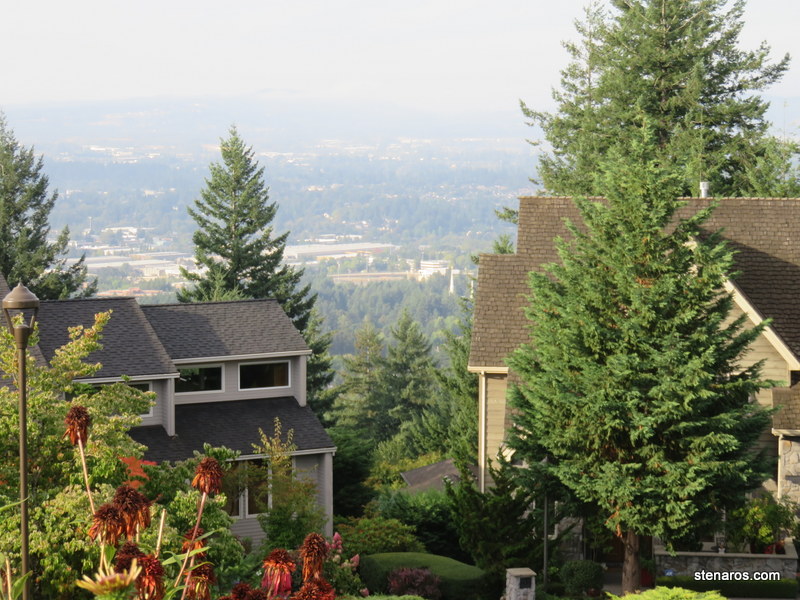
A few houses ring the top of Mt. Sylvania, including this one, custom built for astronomy, and with an awesome weather vane.

On a clearer day you can see a very long way.

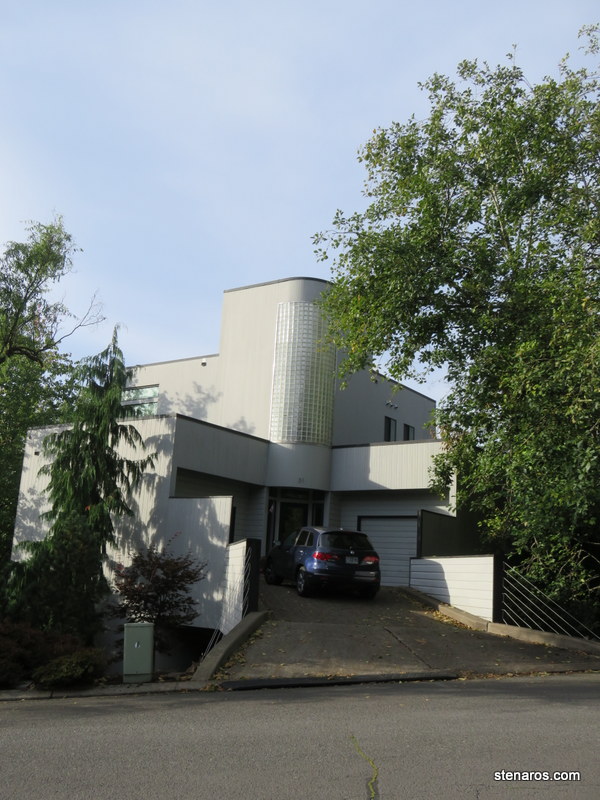
This was also one of those hikes where I had no idea where I was most of the time.  Just after I took this picture of this house that utilizes much Deco glass, we turned the corner and, “oh hello!” there was the car.

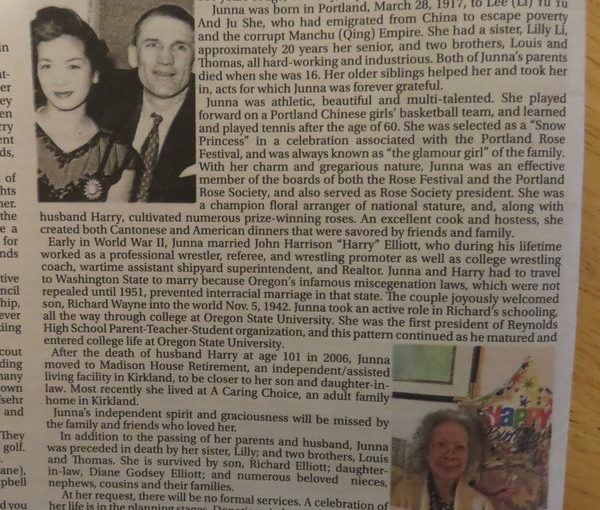
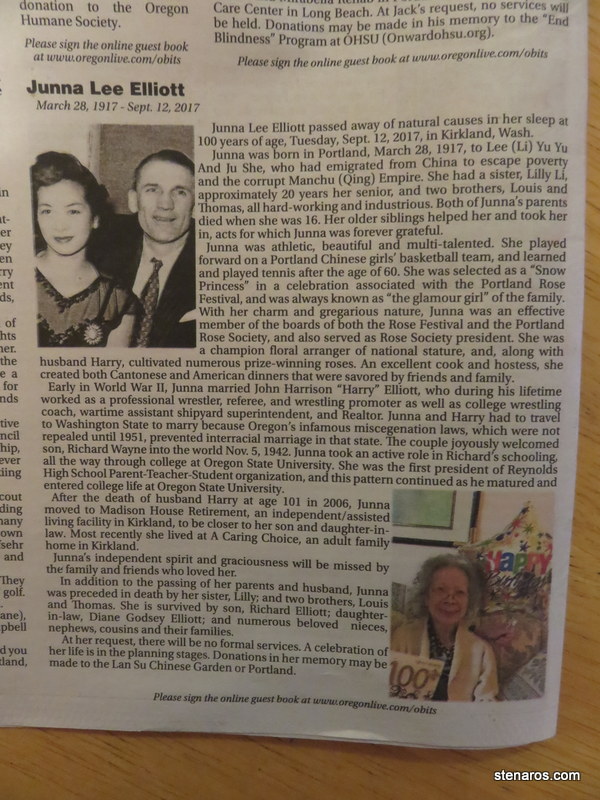
An obituary that caught my eye

You know how you hear about people having to cross state lines to get married (Mildred and Richard Loving, for instance) and you think that perhaps that only happened in the south? (Maybe that’s just me, thinking along those tracks.) 

Here is a woman who had to cross the Columbia River to marry, because Oregon didn’t allow a white man to marry an Asian woman.  The rest of her life is also interesting.  What stories might her parents have told her, of their life in China?  And what stories could she tell us about being an orphan at 16?  Or her experiences volunteering for the Rose Festival and the Portland Rose Society?

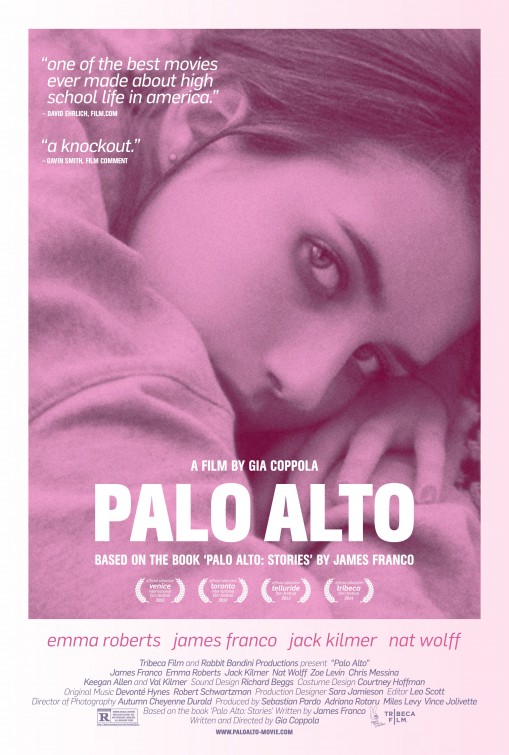
Three sentence movie reviews: Palo Alto

I liked this movie, both for Jack Kilmer’s performance* and for the gauzy way the story unfolds. Based on a series of stories written by James Franco, the movie is unflinching in depicting everyday rape culture, and I wonder how much Gia Coppola’s direction has to do with this.**  It’s one of those movies where I think maybe the kids of Palo Alto need a little less free time, a little less money, and perhaps something to believe in; yet also, I was mesmerized by the film itself.

Cost: free from library
Where watched: at home

*”Who is that?” I wondered aloud during his first scene.  His performance wasn’t showy, but he had full command of the screen.  It made sense when I figured out he was the son of Val Kilmer and Joanne Whalley.  This was his first role.

**DVD extras provide an interview with James Franco, where he discusses how strongly he felt that Gia Coppla should direct this movie, even going so far as to take a role in a film, simply to obtain the rest of the funding necessary to film.  He’s also creepy good as the soccer coach.

poster from: http://www.impawards.com/2014/palo_alto.html

On being raised to “help”

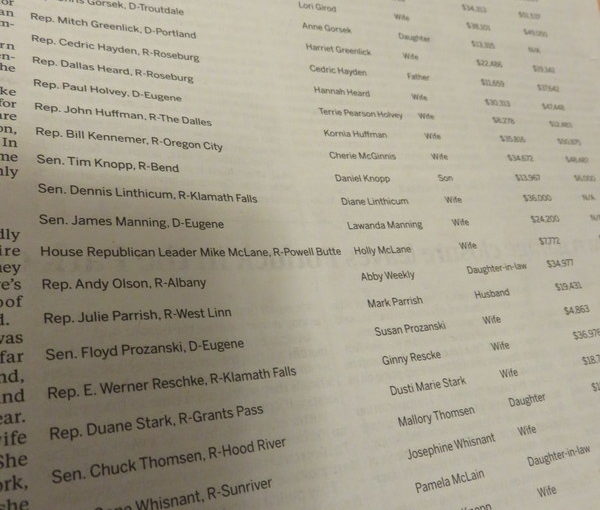
This chart comes from an investigative report done by the Oregonian about nepotism in the legislature.  Apparently, Oregon is fairly unique in allowing our political leaders to hire family members as aides. However, I took this picture for another reason.

Look at the column of “Relation.” Only three of these aides are men: one son, one father and one husband.  Twenty of them (87%) are women: wives, daughters, daughter-in-laws.

When I see this list, I see all the girls who society encourages to be “helpful” and “caring.”  What would things look like if instead, they were raised to be leaders?  Would the spread be more even, on both sides, legislators and aides?  And how different would society look, if that were the case?

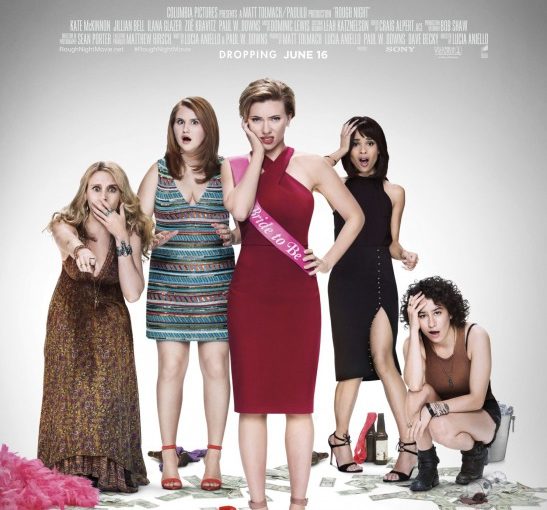
Three sentence movie reviews: Rough Night

This movie didn’t work for me, and I think the main reason is because it’s set up as a zany comedy, and then for most of the movie the women are faced with trying to cover up the murder of an innocent male stripper.  Despite this hardship, it manages to be amusing throughout.  We spent a goodly amount of time curiously dissecting what didn’t work.

Cost: $1.50 from Redbox
Where watched: at home with Matt.

poster from: http://www.impawards.com/2017/rough_night_ver12.html

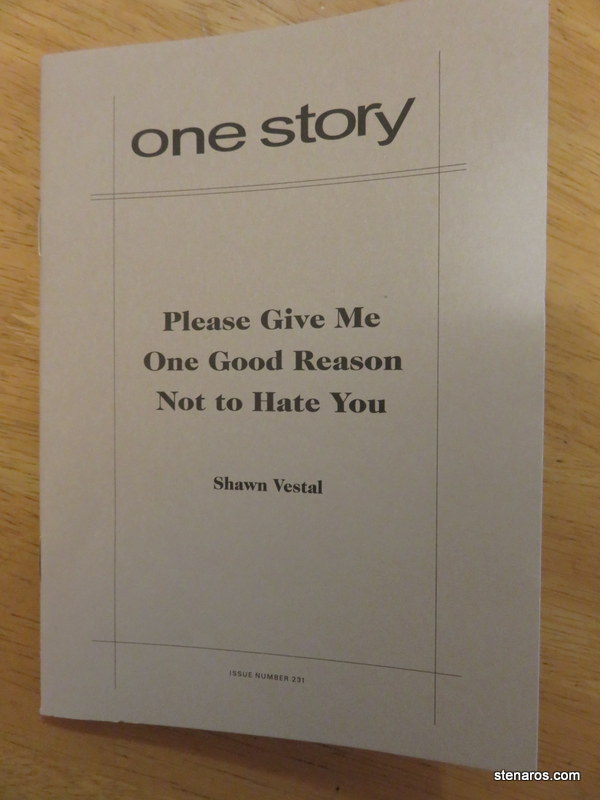
One Story: Please Give Me One Good Reason Not to Hate You

Benny narrates this, and Benny isn’t the greatest of guys.  But he’s the kind of guy you probably should like less, but don’t.  Here’s a quote: “I arrived in Bozeman after the place that came after Animas, was thinking I would stay forever—thinking I would finally stop what I’ve been doing and be someone, thinking this place was really me.”

Bozeman is going well, sort of, until he goes on a backpacking trip with some friends.  The story is structured so that I felt equally sorry for everyone on the trip, and also happy to see Benny get what is coming to him.

There were fun class/income observations also.  Nicely done, Shawn Vestal.

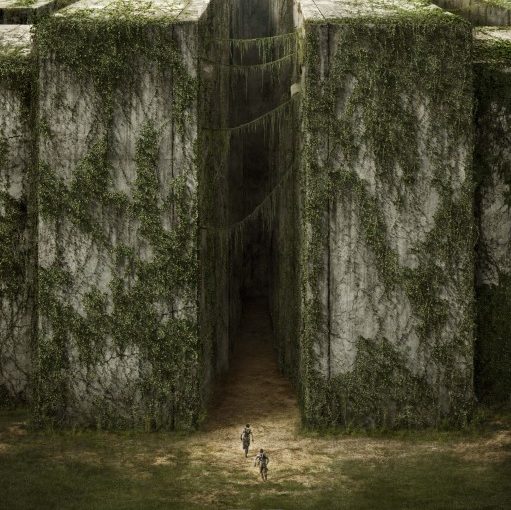
Three sentence movie reviews: Maze Runner

I mean, I wasn’t going to like this movie.  I didn’t like the book and only watched the movie because it was part of a Book-to-Movie library activity.  It was interesting to see what they left out of/added to the original narrative.

Cost: free
Where watched: at the Hollywood Library, with a bunch of teens.  Who then played a modified game of Sharks and Minnows, running through the closed library, dodging  hazards in the “maze” (chairs, lego pits, strings, walls of book carts). This was much more fun than the movie.

poster from: http://www.impawards.com/2014/maze_runner.html